Finale’ – Part Four
From Water to Wonder (1998–Present)
Introduction
By the mid-1990s, Porsche found itself facing one of the darkest periods in its history.
Sales were declining, production costs were rising, and many questioned whether the company could survive another decade. At the same time, the beloved air-cooled flat-six engine was becoming increasingly difficult to adapt to stricter emissions and noise regulations while remaining competitive against increasingly sophisticated rivals.
Purists never doubted the desirability of the 911 platform, but the economics of continuing production were becoming increasingly difficult to justify.
Porsche’s engineers faced a decision that bordered on sacrilege.
The air-cooled engine that had powered every 911 since 1964 had reached the end of its development. To survive, Porsche would have to abandon one of the defining characteristics that made the 911 unique.
Many enthusiasts viewed the change as the end of the 911 as they knew it.
There was much wailing, gnashing of teeth, and pearl-clutching throughout the Porsche community.
In 1998, Porsche made perhaps the boldest decision in its history.
The Type 996 arrived.
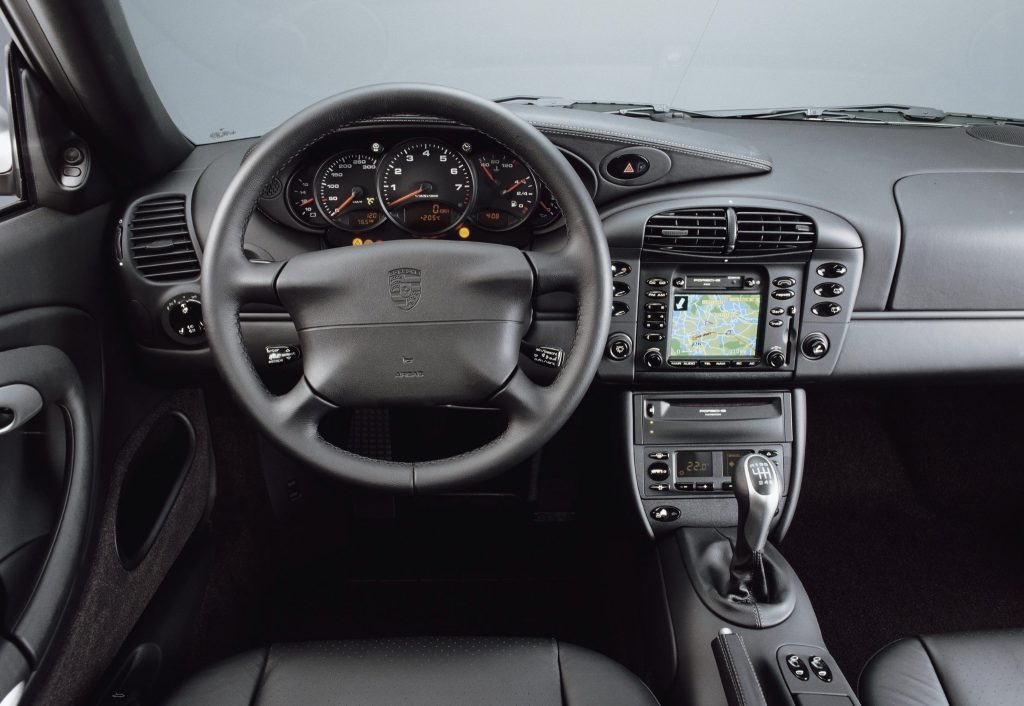
It featured water cooling, an entirely new chassis, a redesigned interior, and styling that divided enthusiasts almost overnight.
Purists loudly declared that it was not a “real” 911.
History would eventually prove otherwise.
Without the 996, there would be no GT3, no GT2 RS, no modern Turbo, and perhaps no Porsche as we know it today.
That is not hyperbole. It is simply the truth.
996 (1998–2004)
The Car That Saved Porsche
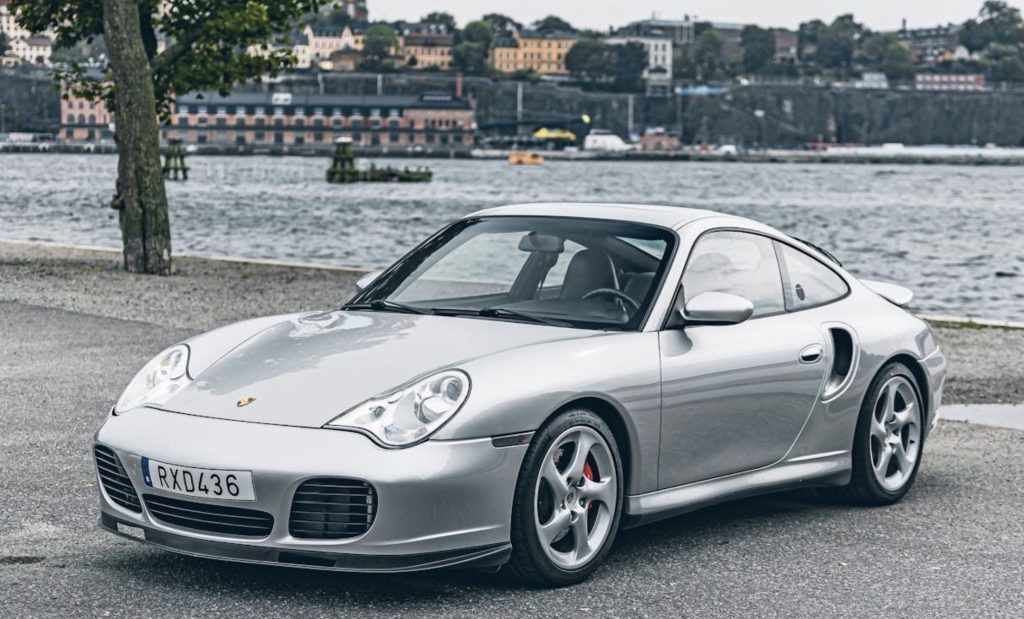
No generation of the 911 has received more criticism than the 996.
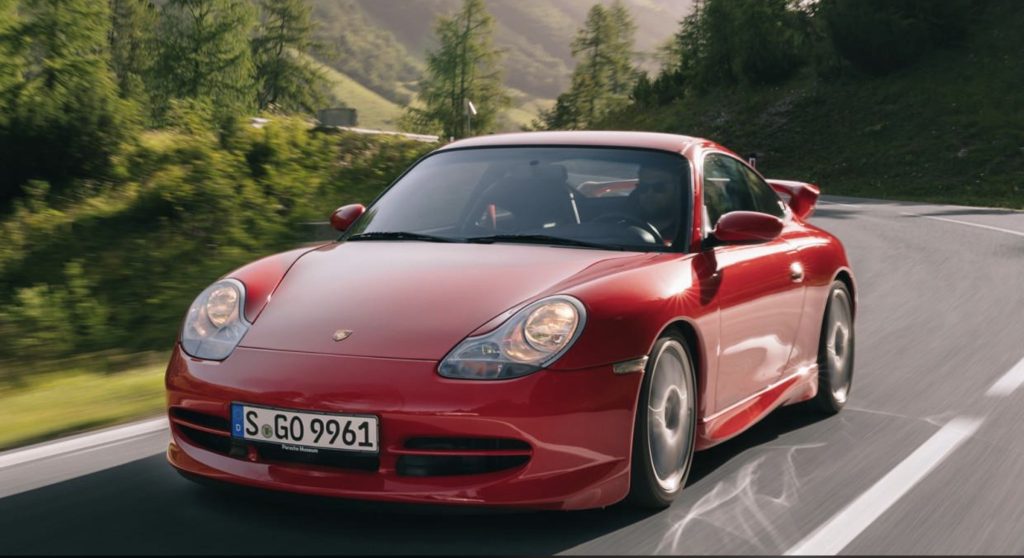
Its infamous “fried egg” headlights, shared with the Boxster, offended traditionalists. The familiar air-cooled soundtrack disappeared, the body grew larger, and the entire car seemed to move away from the familiar formula.
Personally, I have never been particularly fond of those headlights, and I suspect I am not alone.
Yet beneath the controversy was an extraordinary automobile.
The new M96 engine produced significantly more power, substantially reduced emissions, and offered dramatically improved refinement. Unfortunately, it also introduced the now-famous IMS bearing issue, a problem that continues to haunt owners of early water-cooled cars.
The suspension was completely redesigned, resulting in handling that was both more capable and more comfortable.
The 996 also introduced some remarkable performance models.
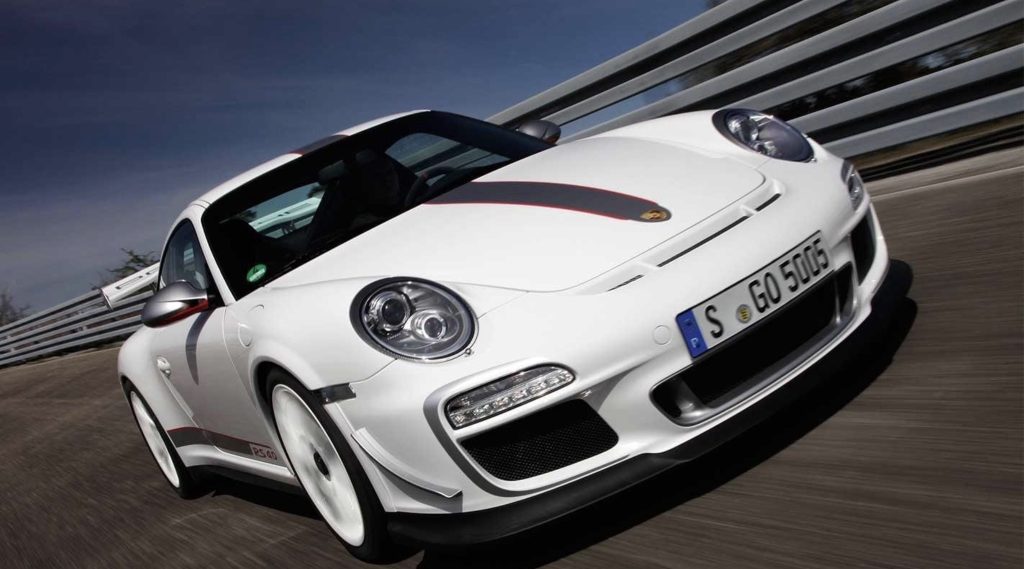
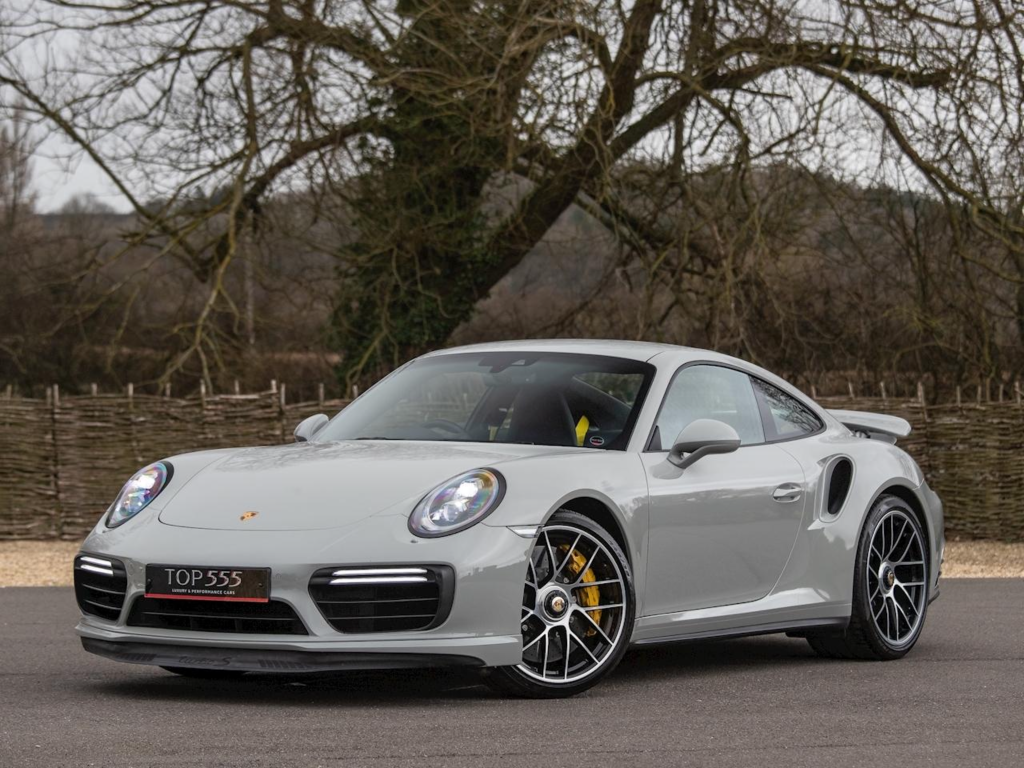
The GT3 emerged as the spiritual successor to the Carrera RS, while the Turbo returned with all-wheel drive and performance capable of embarrassing exotic supercars costing twice as much.
Today, collectors have begun rediscovering the 996.
Improved IMS bearing solutions have eliminated many concerns, and buyers are appreciating the roomier interior, effective climate control, and outstanding performance.
Some owners even found ways to disguise those headlights.
As for me, I remain unconvinced.
997 (2005–2012)
A Return to Tradition
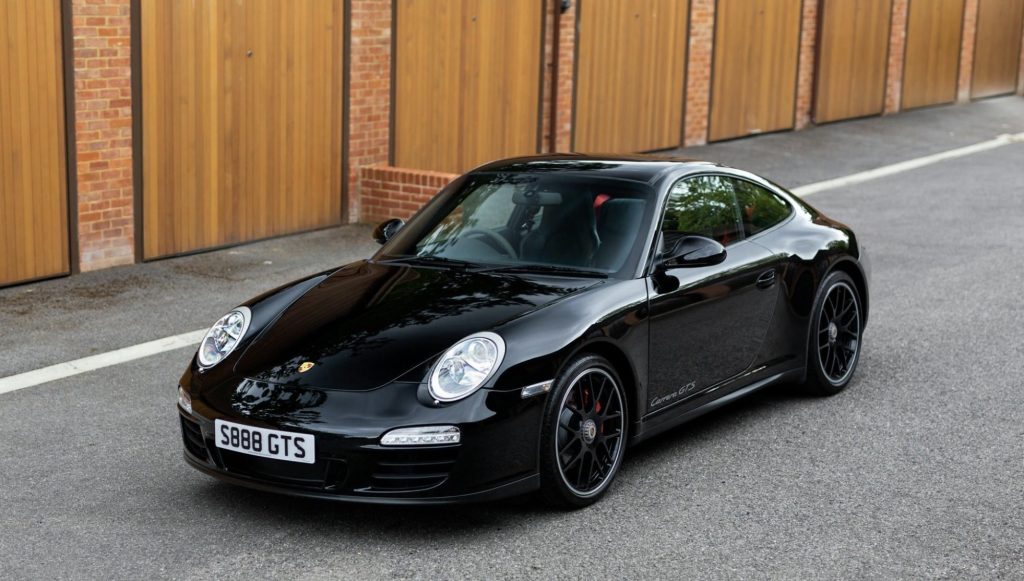
When Porsche unveiled the 997, enthusiasts collectively breathed a sigh of relief.
I certainly did.
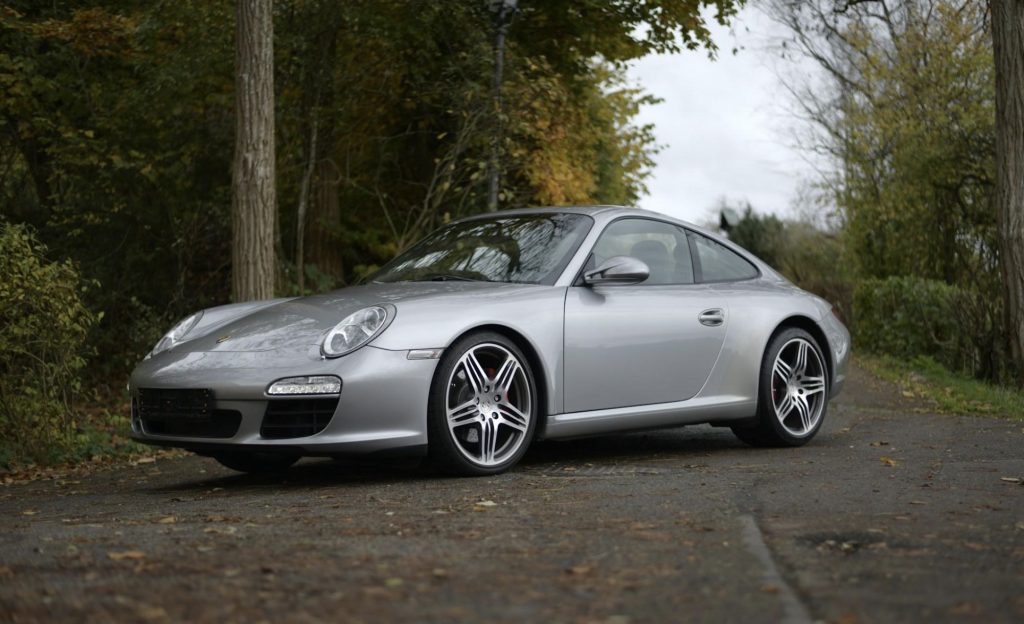
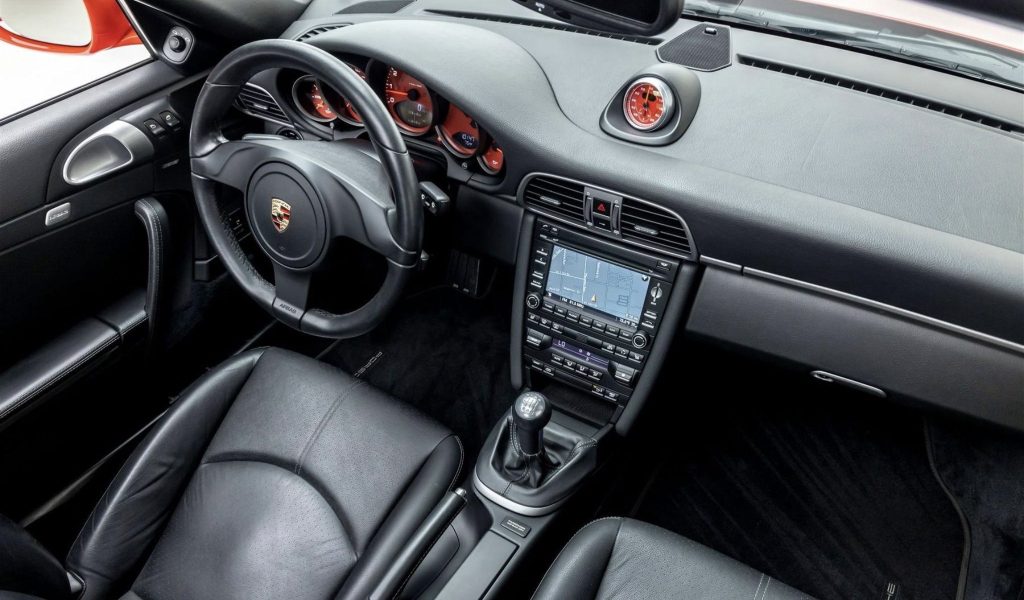
The classic round headlights returned, interior quality improved dramatically, and the car once again looked unmistakably like a traditional 911.
Unfortunately, the IMS bearing issue remained in the early 997.1 models, and Tiptronic transmissions still lacked some excitement for spirited driving.
That said, Southern California traffic jams have a way of making automatic transmissions seem much more appealing.
The arrival of the 997.2 in 2009 marked another major turning point.
Direct fuel injection increased both performance and efficiency, while an entirely new engine family effectively eliminated the IMS bearing problem.
Porsche also introduced the revolutionary PDK transmission.
Gear changes became nearly instantaneous, completely redefining expectations for automatic performance.
Purists often lament the disappearance of the third pedal, but I confess that practicality has gradually won me over.
When I underwent knee replacement surgery, my PDK-equipped 997.2 allowed me to continue driving long before a manual transmission would have been practical.
I still appreciate traditional manuals and enjoy rowing through the gears in my BMW 2002, but I have also come to appreciate the advantages of modern technology.
On the track, equally matched PDK-equipped cars will almost always outperform their manual counterparts.
That is simply reality.
Many enthusiasts, myself included, consider the 997.2 to represent the perfect balance between classic Porsche character and modern engineering.
For many, it is the last truly analog 911.
991 (2012–2019)
Growing Up
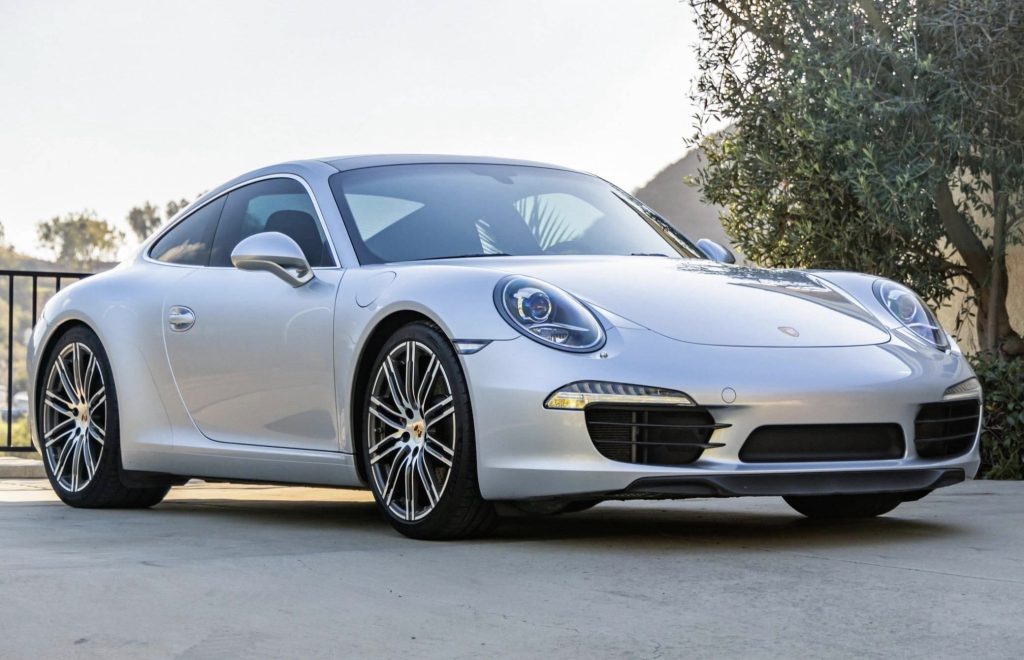
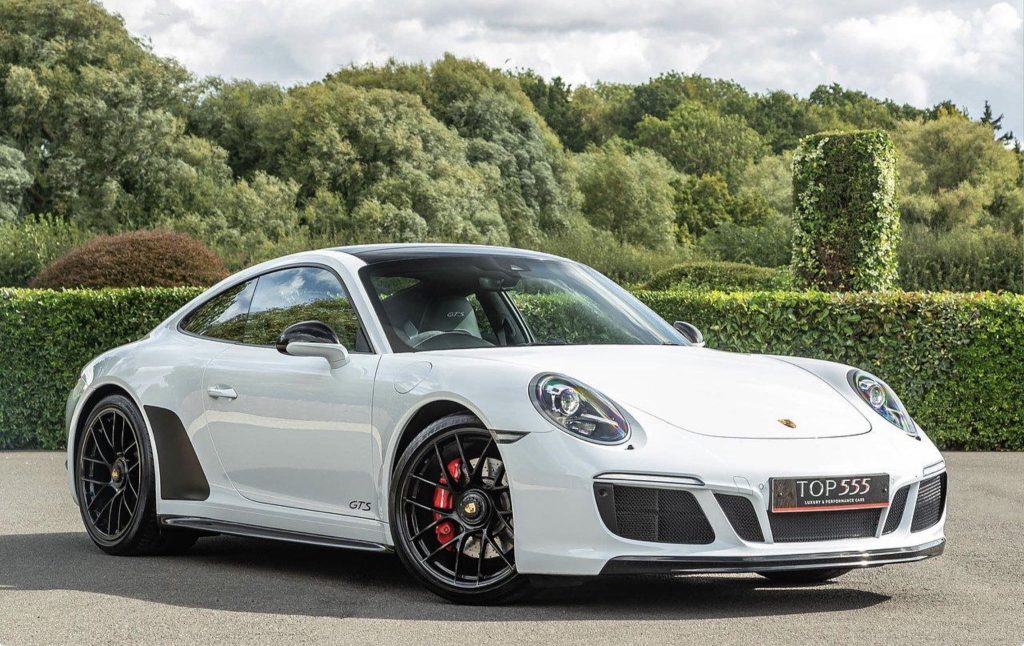
The 991 represented the most significant advancement since the arrival of the 996.
A longer wheelbase, extensive aluminum construction, and increasingly sophisticated electronics transformed the 911 into an exceptional grand touring car without sacrificing its legendary performance.
With the arrival of the 991.2 generation, turbocharging became standard across nearly the entire Carrera lineup.
As always, enthusiasts worried that the car’s character would disappear.
As always, Porsche proved them wrong.
Performance improved substantially while emissions and fuel economy continued to move in the right direction.
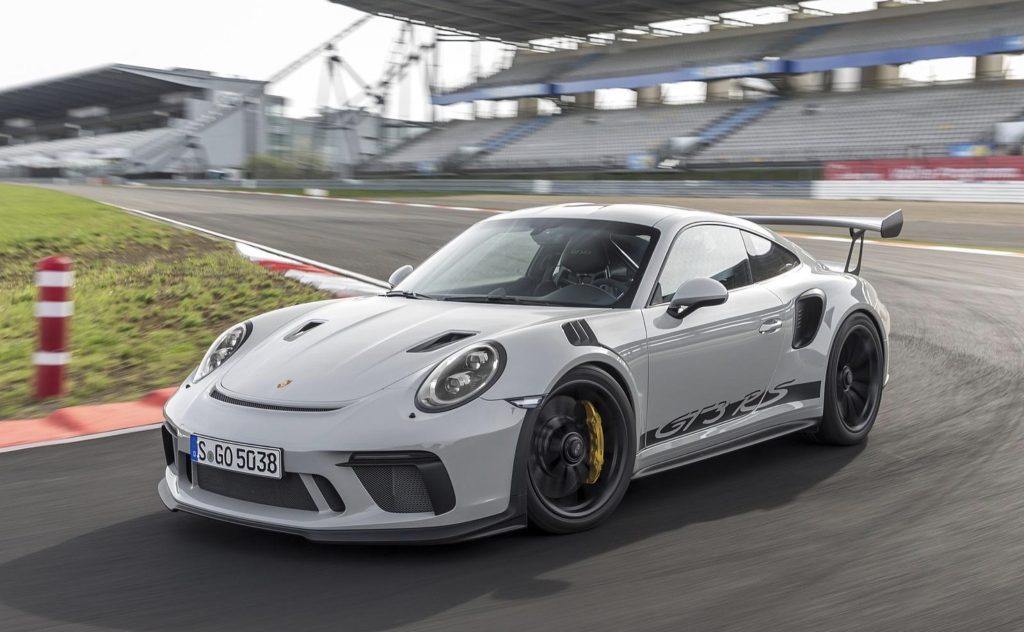
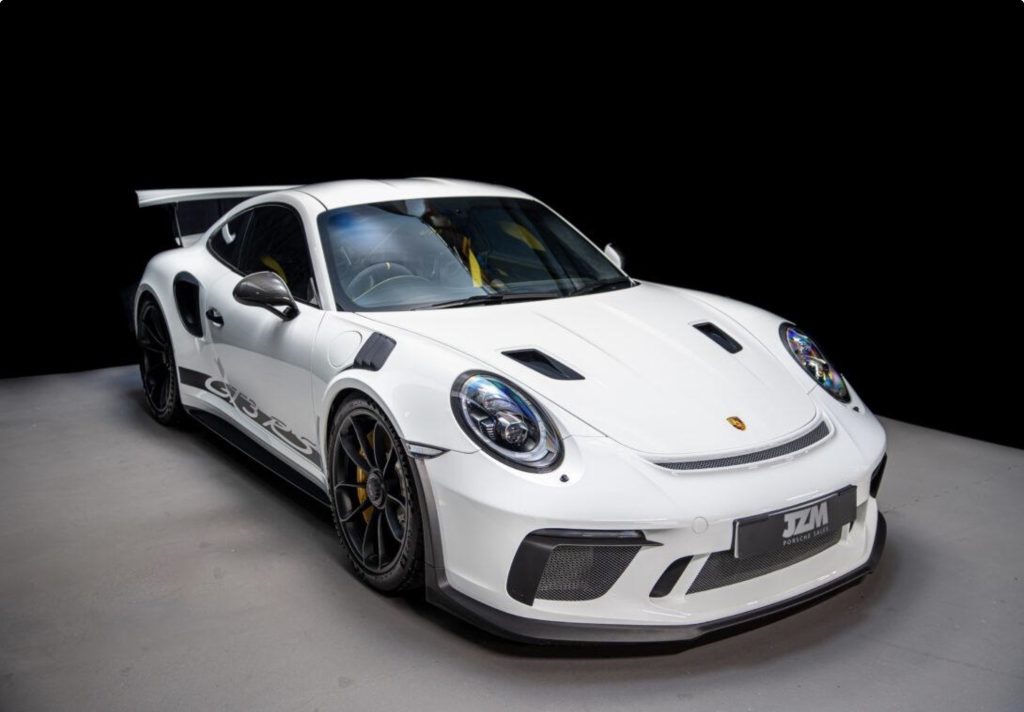
Meanwhile, the GT3 remained naturally aspirated, preserving the high-revving personality enthusiasts cherished.
992 (2019–Present)
The Pinnacle … or the Full-Figured Car
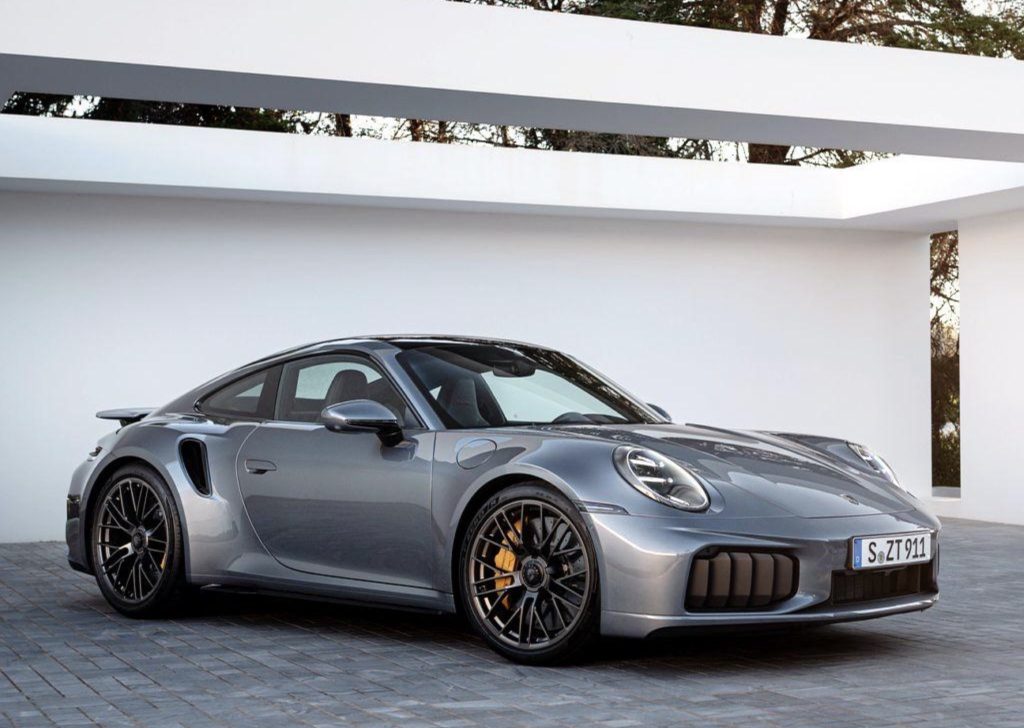
The current 992 generation demonstrates just how far the 911 has evolved while remaining unmistakably a 911.
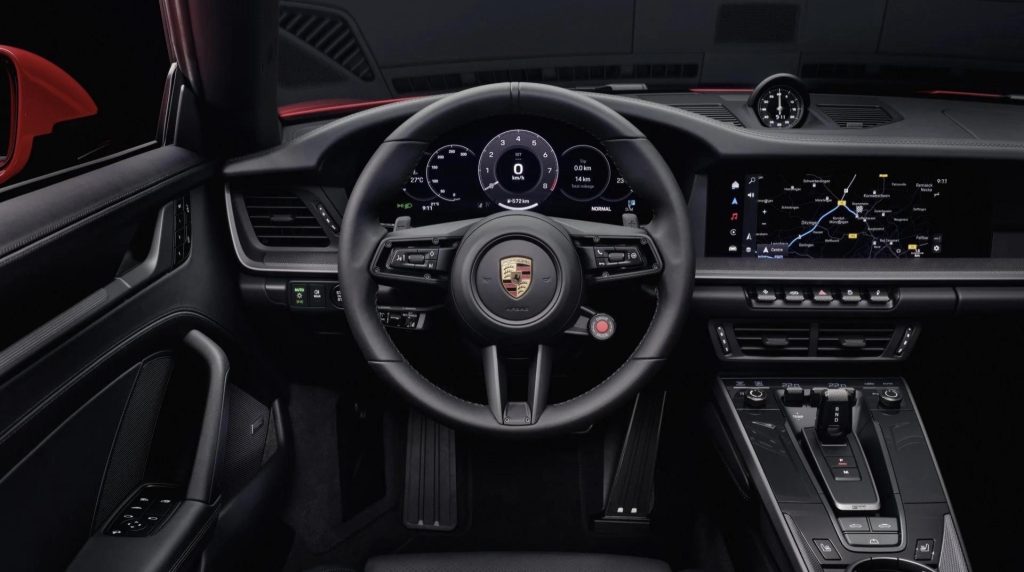
Wider bodywork, advanced electronics, digital instrumentation, and astonishing performance have firmly established it among the world’s greatest sports cars.
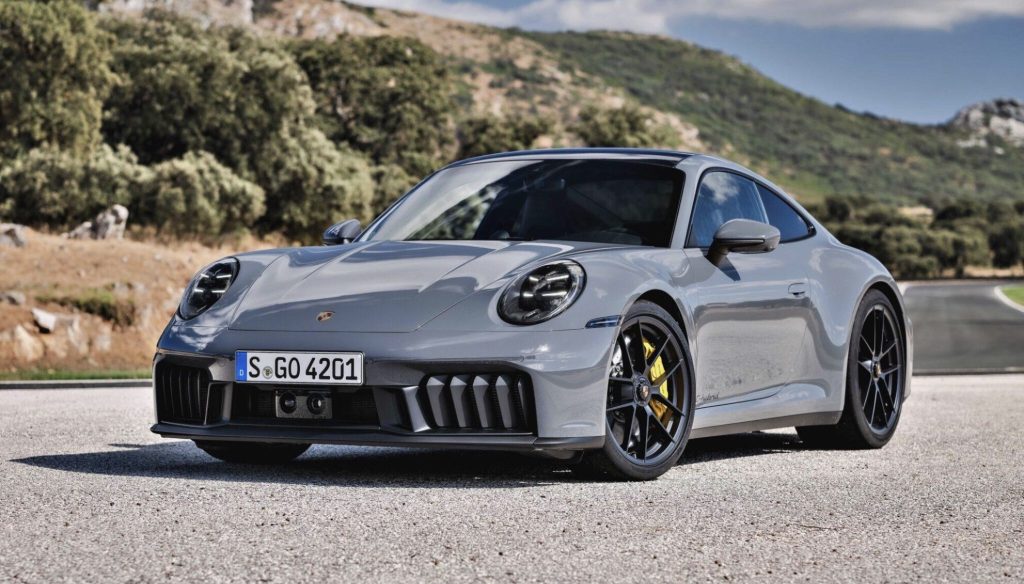
The recently introduced 992.2 marks another milestone.
For the first time, hybrid technology has entered the Carrera lineup, not as an efficiency measure but as a means of improving performance.
The new T-Hybrid system delivers instantaneous response while preserving the unmistakable character of the 911.
After more than sixty years, Porsche continues to improve rather than reinvent its icon.
The silhouette remains instantly recognizable. The engine still resides behind the rear axle, and the driving experience remains uniquely Porsche.
My only criticism is that the modern 911 has grown considerably larger.
Place a 992 next to my own 997.2, and the difference becomes immediately apparent.
Even so, the 992 remains the benchmark by which many other sports cars are judged.
Conclusion
The history of the Porsche 911 is not a story of revolution.
It is a story of relentless evolution.
Every generation has been criticized.
Every generation has been unfavorably compared with the generation that came before it.
Eventually, every generation earns its place in Porsche history.
The 996 saved the company.
The 997 won back the hearts of many enthusiasts.
The 991 redefined the modern sports car.
The 992 demonstrates that, even after six decades, Porsche engineers continue to improve an icon without sacrificing its soul.
Perhaps that is the greatest accomplishment of all.
The Porsche 911 has never stood still.
It has simply continued to evolve.
In my opinion, that is precisely what makes it the greatest sports car ever built.
Long live the Porsche 911 in all its forms.
Final Thoughts
Thank you for joining me on this journey through the remarkable history of the Porsche 911.
From the earliest 356 models to the latest hybrid-powered 992.2 generation, the story has remained the same.
Refine.
Improve.
Evolve.
The future may bring electrification, new technologies, and entirely new challenges, but if history has taught us anything, it is that Porsche engineers will find a way to move forward while honoring the car’s remarkable legacy.
Here’s to the next sixty years.